

FPInnovations is pleased to invite interested participants to a Webinar on the Role of Canada’s Forest Sector for Economic Development and Climate Change Mitigation, to be held November 10, 2021 (from 1:00 – 2:15 EDT or…
Pulp and Paper

A peer-reviewed article entitled “A guide to eliminating baggy webs” and co-authored by FPInnovations was published in the internationally recognized technical publication TAPPI JOURNAL (June 2021, Volume 20 no. 6). The article was written by…
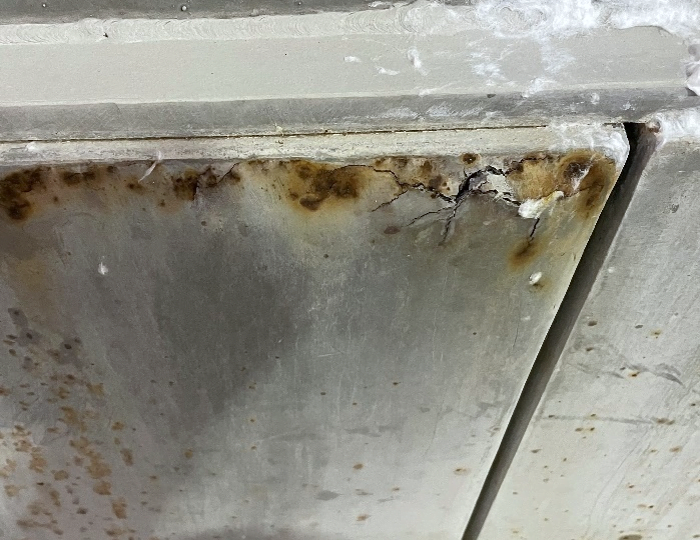
This article was originally published in Paper Advance. Workplace safety and profitability are two fundamental values of any organization. If not carefully managed, corrosion of rotating and fixed equipment in a process can seriously compromise…


This article was originally published in Pulp and Paper Canada. Mills are constantly looking for ways to increase profitability while decreasing their greenhouse gas (GHG) emissions. The advent of the new federal carbon tax offers new…

Originally published in BC Forest Professionals magazine What do Nike, BMW, Prada, Christian Dior, and Louis Vuitton have in common? Using leather from fish skin. It’s a new-old material increasingly used for its low environmental…


FPInnovations recently created a Digitalization team to better understand the problems and operational efficiencies faced by manufacturers in their mill environment and to properly equip them in order to effectively address these often common and…