

Forestry
Precision forestry; Indigenous forestry

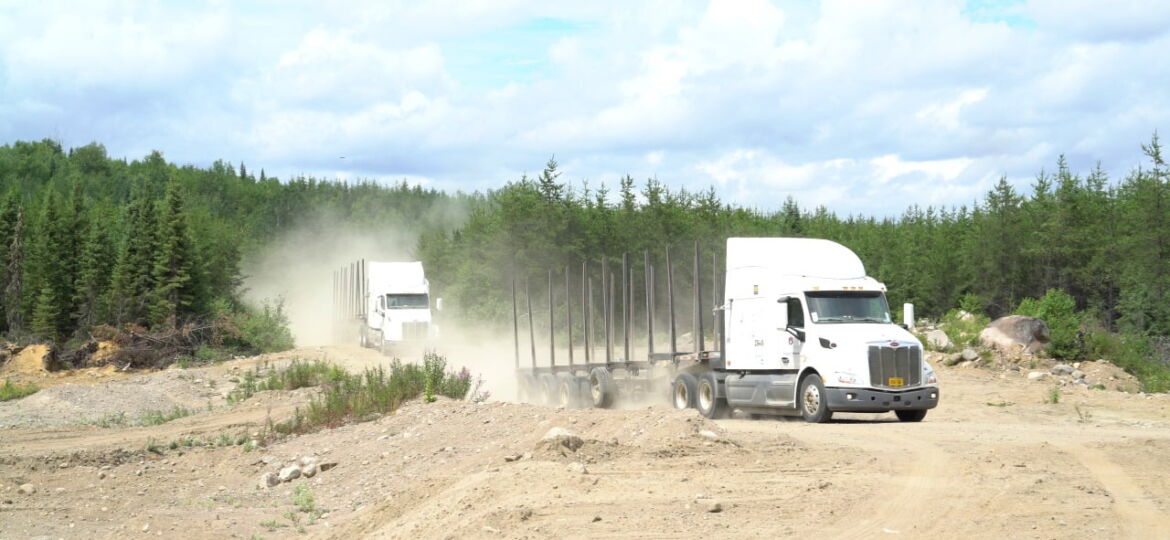
One important component of FPInnovations’ Transportation and Infrastructure group work over the past months is the research on truck platooning, where two or more vehicles in a convoy are operating in a close following formation…


Timber cruising, forest inventory, and other related data collection methods that help managing forest operations and logging activities are necessary but expensive, mainly because conventional ground methods are labor intensive. On the other hand, projected…

Roads built over weak soils reduce allowable truck payloads, inhibit vehicle traction, pose a safety hazard, and lead to higher road maintenance costs over time. Critically weak road sections also reduce transportation efficiency thus limiting…

Switching from 8-axle B-trains to 9-axle B-trains has been gaining traction in Western Canada (pun intended). A new calculation recently developed by FPInnovations has led to the discovery of the real and remarkable benefits of…


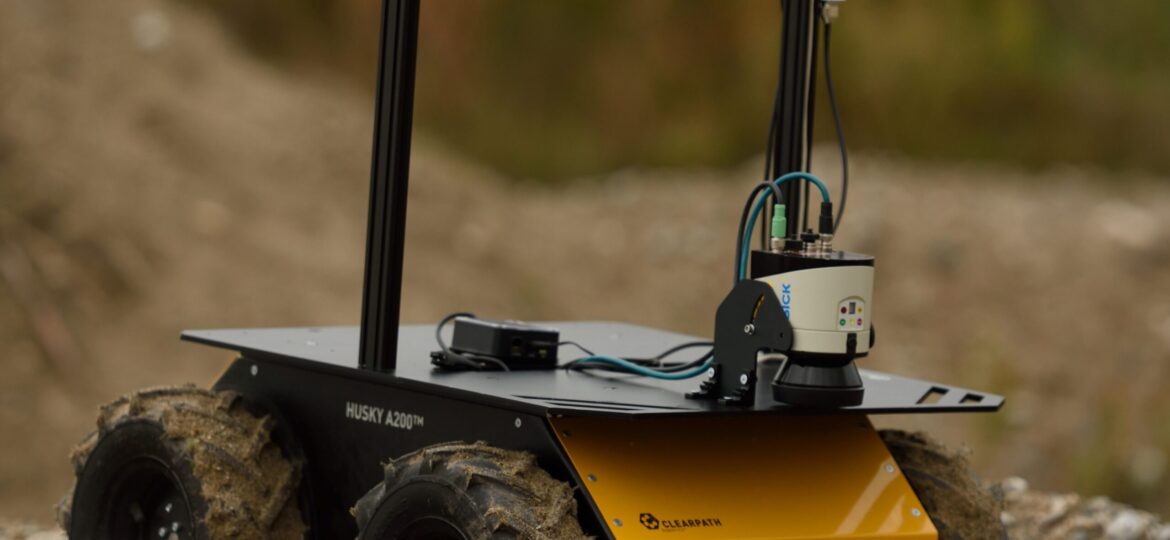
This article was originally published in Canadian Forest Industries. By Francis Charette, FPInnovations, research lead, forest engineering For the past three years, I have led a research program at FPInnovations called Forestry 4.0. Our objective…

In British Columbia, damage from marine borers reduces the service life of boomsticks used to keep log bundles together for storage and transport, and is estimated to cost the forest industry $12 million a year. FPInnovations…