

With almost 362 million hectares of forest, Canada accounts for 9% of the world’s forests. Each year over the last 25 years, about 7,300 forest fires have occurred, representing an average of about 2.5 million…
Forestry
Precision forestry; Indigenous forestry

With about 8,000 wildfires burning throughout Canada’s vast landscape each year, it goes without saying that a large number of resources are required to manage them. In this article, Greg Baxter from FPInnovations’ Wildfire Operations…

Early wildfire detection is key to successful wildfire management operations— without it, the magnitude and the rate of spread of a wildfire can quickly become uncontrollable. The later a wildfire is detected, the higher the…

With decades of population growth in Canada, more and more people are starting to live, work, and play in heavily forested areas. Estimates from the Canadian Forest Service suggest that “approximately 12.3% of the Canadian…

In 2021, Alberta Agriculture and Forestry’s Wildfire Management Branch undertook a one-year directed research initiative with FPInnovations’ Wildfire Operations group to assess the efficacy of five different technologies and their utility in the wildfire domain….
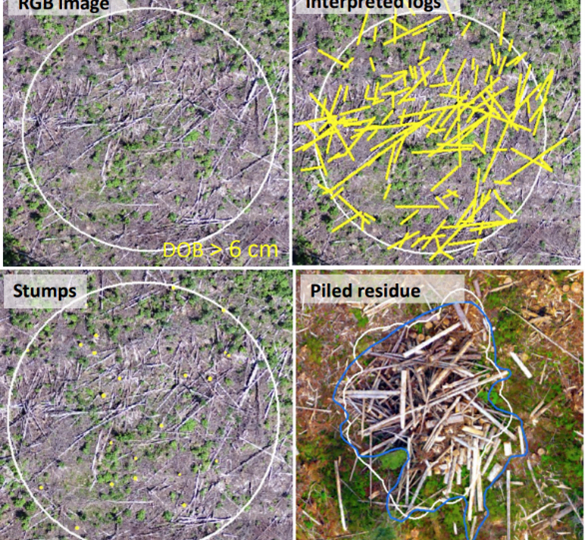
One of the challenges that the forest managers are facing is the lack of precision inventory tools at the operational level. Forest managers do not currently have the tools to efficiently and accurately measure dispersed…
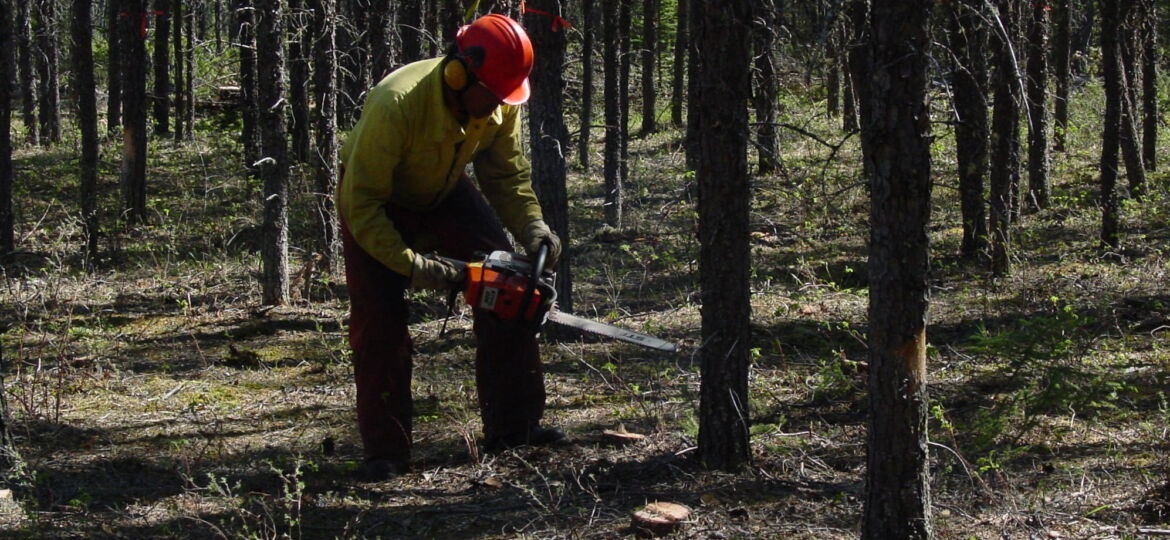
Forest fuel reduction treatments are conducted at a stand level in the wildland–urban interface to reduce the potential for catastrophic loss caused by wildfire. Given the considerable expense of conducting these fuel treatments, fuels managers…
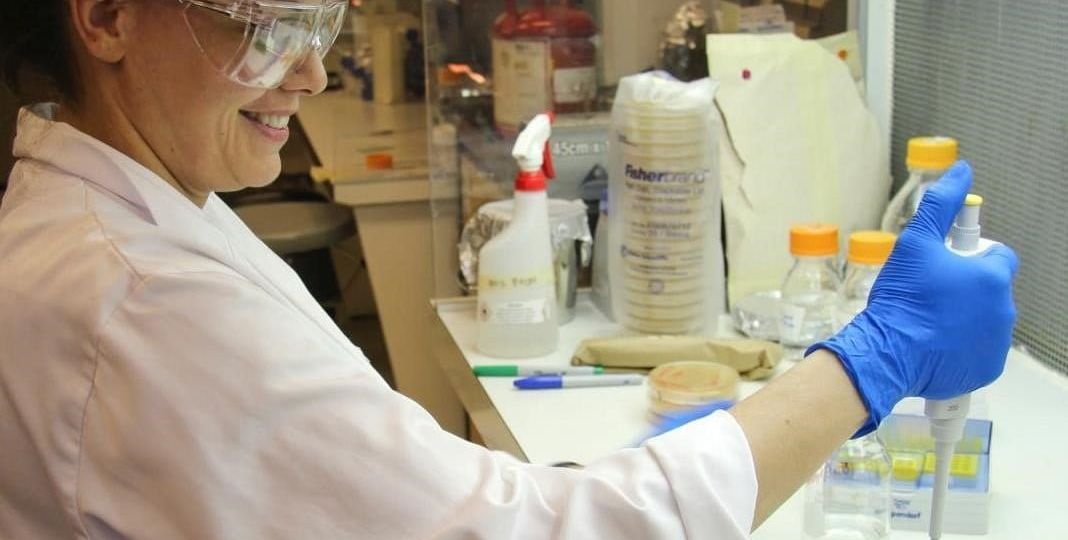
A new report published by FPInnovations, In-Situ Identification of Wood Inhabiting Microorganisms, compares three methods for identifying wood-inhabiting microorganisms. Abstract: To improve the accessibility of genomics for the identification of wood inhabiting microorganisms to FPInnovations’…

Research Information Sharing and Feedback (RISF) activities are offered to FPInnovations’ members to highlight results and solutions from recent research projects. They also present an opportunity to provide feedback on continuing projects to maximize value…