

The Intergovernmental Panel on Climate Change (IPCC) states that land-use related solutions, including forestry, can play a crucial role in climate change mitigation. Among the high-potential forestry solutions identified by the IPCC are afforestation and…
Roberta Roberts


It is no secret that kraft fibreline equipment in North American kraft mills is getting old. Mills are upgrading their machines and looking for ways to improve their operations to become more efficient and cost-effective. To stay competitive against state-of-the-art operations around the world, new bleaching strategies and solutions for aging kraft pulp mills are crucial. In addition, the complexities of kraft fibreline chemistry can sometimes lead to severe bleachability issues and increased costs. To help kraft pulp mills maintain a stronghold in the market and address their issues, current research on fibreline chemistry by FPInnovations’ Shree-Prakash Mishra and the Pulp and Paper Manufacturing – Chemical Process team has been focusing on each stage of the bleaching process.

Heating costs in Canada are expensive and generate high amounts of greenhouse gases, especially for those living in rural and remote communities. A new webinar series is being launched to increase awareness of bioheat among businesses, economic development corporations, Indigenous Communities, municipalities, as well as individuals in Ontario’s rural and remote communities. The Solid Wood Bioheat Webinar Series will be hosted by bioheat specialists from FPInnovations, Natural Resources Canada (NRCan), and Ontario’s Ministry of Natural Resources (MNRF). The series as well as details on the various webinars are hosted on the Centre for Research and Innovation in the Bio-Economy (CRIBE) website.
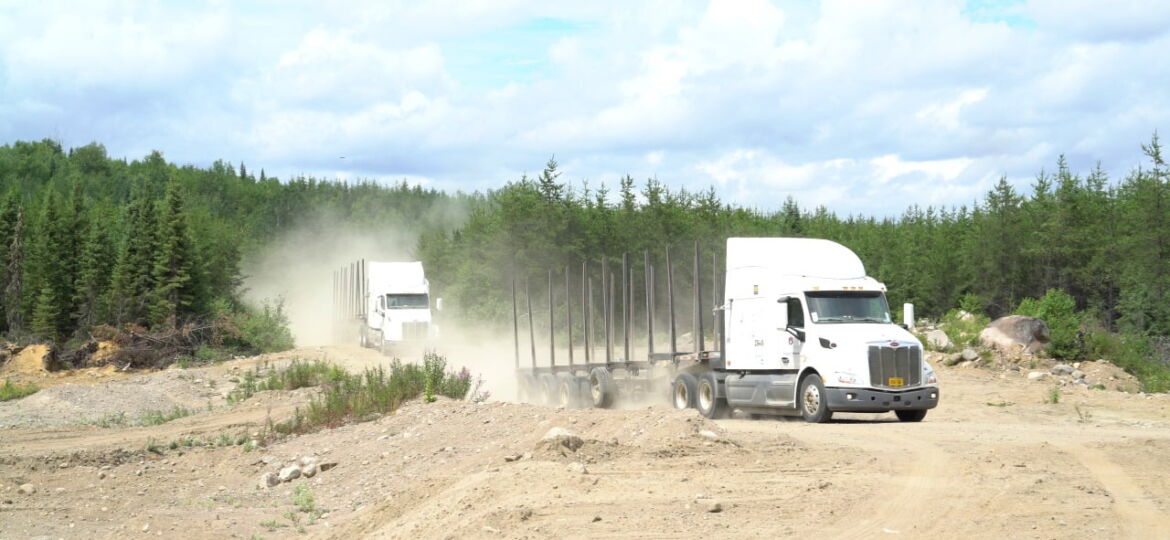
One important component of FPInnovations’ Transportation and Infrastructure group work over the past months is the research on truck platooning, where two or more vehicles in a convoy are operating in a close following formation…


FPInnovations is proud to announce that the 2019 edition of the Canadian CLT Handbook is now available in French. This publication — completely revised and improved based on new research performed by FPInnovations and partners…


Updated June 15, 2021 Canada has a long tradition of building with wood. During recent years, the emergence of new engineered-wood products and changes to building codes have led to an innovative approach to constructing…

The building enclosure system separates the interior environments from the exterior environment, protects the structure from moisture and other environmental elements, and is a key passive design element of a durable, energy-efficient building. Therefore, the…